Introduction
Safety is one of the most important priorities for any home, business, or commercial property. Fires can occur unexpectedly and cause severe damage to property, equipment, and human lives. This is why Fire Alarm Systems have become an essential component of modern building safety. These systems are designed to detect fire-related hazards at an early stage and provide immediate warnings so that people can evacuate safely and emergency services can respond quickly.
Today, Alarm Systems are used in residential buildings, offices, schools, hospitals, shopping centers, warehouses, factories, and industrial facilities. They play a critical role in preventing injuries, minimizing property damage, and ensuring compliance with safety regulations. Modern fire alarm technology has evolved significantly, offering advanced detection capabilities, remote monitoring, and integration with other building management systems.
Investing in professional Fire Alarm is one of the most effective ways to improve safety and protect valuable assets. Whether for a small business or a large commercial facility, a properly designed fire alarm system provides peace of mind and enhances overall security.
What Are Fire Alarm Systems?
Fire Alarm Systems are electronic safety systems designed to detect smoke, heat, flames, or other signs of fire and alert occupants through audible and visual signals. These systems provide early warning before a fire spreads, giving people enough time to evacuate and emergency responders time to act.
A typical fire alarm system consists of several components working together to detect hazards and communicate alerts. Modern systems can also notify monitoring centers, building managers, and emergency services automatically.
The primary purpose of Fire Alarm is to save lives and reduce the impact of fire-related incidents by ensuring rapid detection and response.
Importance of Fire Alarm Systems
Fire emergencies can occur at any time and often spread quickly. Early detection is crucial for reducing risks and preventing major losses.
Protecting Human Lives
The most important benefit of Fire Alarm Systems is life safety. Early warning alerts help occupants evacuate before conditions become dangerous.
Reducing Property Damage
Prompt detection allows firefighters to respond more quickly, reducing the amount of damage caused by fire, smoke, and heat.
Supporting Emergency Response
Modern systems can automatically notify emergency personnel, improving response times and increasing the chances of controlling a fire quickly.
Meeting Safety Regulations
Many local building codes and safety standards require the installation of Fire Alarm in commercial and residential properties.
Main Components of Fire Alarm Systems
Control Panel
The control panel acts as the central processing unit of the system. It receives signals from detection devices and activates alarms when necessary.
Smoke Detectors
Smoke detectors identify the presence of smoke particles in the air. They are among the most common components used in Fire Alarm Systems.
Heat Detectors
Heat detectors respond to sudden temperature increases or high heat levels that may indicate a fire.
Manual Call Points
Manual call points allow individuals to activate the alarm manually when they notice a fire.
Alarm Notification Devices
These devices include sirens, bells, horns, and flashing lights that alert occupants to potential danger.
Communication Systems
Advanced systems can send notifications to monitoring centers, security teams, or emergency services.
Types of Fire Alarm Systems
Conventional Fire Alarm Systems
Conventional systems divide buildings into zones. When a detector activates, the control panel identifies the affected zone.
Addressable Fire Alarm Systems
Addressable systems provide precise information about the exact detector or device that triggered the alarm.
Wireless Fire Alarm Systems
Wireless systems eliminate the need for extensive wiring, making installation easier and more flexible.
Hybrid Fire Alarm Systems
Hybrid systems combine wired and wireless technologies to provide enhanced flexibility and reliability.
How Fire Alarm Systems Work
The operation of Fire Alarm Systems follows a simple but highly effective process.
- Detection devices monitor environmental conditions.
- Smoke, heat, or flame is detected.
- The control panel receives the signal.
- Alarm devices activate.
- Occupants are alerted.
- Emergency responders may be notified automatically.
This rapid process allows people to respond before a small fire becomes a major emergency.
Applications of Fire Alarm Systems
Residential Buildings
Homeowners use fire alarm systems to protect family members and property from fire-related incidents.
Commercial Buildings
Businesses rely on Fire Alarm to protect employees, customers, equipment, and inventory.
Educational Institutions
Schools and universities install fire alarm systems to ensure student and staff safety.
Healthcare Facilities
Hospitals and medical centers require advanced fire protection systems because of vulnerable patients and critical equipment.
Industrial Facilities
Factories and warehouses often face higher fire risks due to machinery, chemicals, and manufacturing processes.
Benefits of Modern Fire Alarm Systems
Early Detection
The earlier a fire is detected, the greater the opportunity to prevent serious damage.
Improved Safety
Reliable warning systems significantly improve occupant safety during emergencies.
Reduced Insurance Costs
Many insurance providers offer lower premiums for buildings equipped with professional Fire Alarm Systems.
Continuous Monitoring
Advanced systems provide 24/7 monitoring and automatic notification capabilities.
Regulatory Compliance
Installing approved fire alarm systems helps organizations meet legal safety requirements.
Integration with Building Management Systems
Modern Fire Alarm Systems can integrate with other building technologies, including:
- Security systems
- Access control systems
- Emergency lighting
- HVAC systems
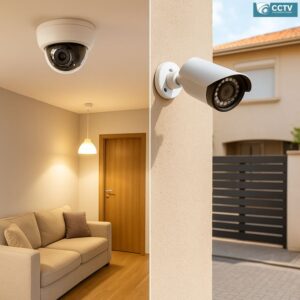
- Surveillance cameras
This integration improves emergency response and overall building safety.
Maintenance of Fire Alarm Systems
Regular maintenance is essential to ensure reliable operation.
Recommended maintenance activities include:
- Testing detectors
- Inspecting wiring
- Checking batteries
- Verifying alarm functionality
- Updating system software
Routine inspections help identify issues before they affect system performance.
Common Challenges
Although Fire Alarm provide many benefits, organizations may face challenges such as:
False Alarms
Improper installation or environmental factors can sometimes trigger unnecessary alarms.
Maintenance Costs
Regular inspections and testing require ongoing investment.
System Upgrades
Older systems may need modernization to meet current safety standards.
Environmental Conditions
Dust, humidity, and temperature variations can affect detector performance if not properly managed.
Future of Fire Alarm Systems
Technological advancements continue to improve fire safety solutions.
Emerging trends include:
Smart Fire Detection
Artificial Intelligence can improve detection accuracy and reduce false alarms.
Internet of Things (IoT)
Connected devices enable real-time monitoring and remote management.
Cloud-Based Monitoring
Cloud technology allows centralized monitoring across multiple locations.
Predictive Analytics
Advanced systems can analyze trends and identify potential risks before incidents occur.
These innovations are making Fire Alarm more intelligent, efficient, and reliable than ever before.
Choosing the Right Fire Alarm System
When selecting a fire alarm solution, organizations should consider:
- Building size
- Occupancy levels
- Regulatory requirements
- Budget
- Expansion plans
- Monitoring needs
Working with experienced fire safety professionals ensures that the chosen system meets all safety requirements and operational goals.
Conclusion
Fire Alarm Systems are essential for protecting people, property, and business operations from fire-related risks. They provide early detection, rapid notification, and improved emergency response, helping organizations reduce damage and save lives. From residential homes to large commercial facilities, these systems play a critical role in modern safety strategies.
As technology continues to evolve, Fire Alarm Systems are becoming smarter, more connected, and more effective. Investing in a professionally designed and maintained fire alarm system is one of the most important decisions any property owner can make to ensure long-term safety and peace of mind.